%20(1).png)
Custom jewelry often sounds more mysterious than it needs to be.
People imagine endless decisions, unclear timelines, or pressure to know exactly what they want before reaching out. At Foundry, the process is intentionally structured to be collaborative, grounded, and clear—without removing the flexibility that makes custom work meaningful.
Here’s what commissioning a piece with Foundry actually looks like.
Every commission begins with a simple inquiry.
You don’t need a finished design or a perfectly articulated vision. A general idea, a stone you’re drawn to, a piece you already love, or even just a feeling you’re trying to capture is enough to start.
From there, we talk through what’s possible—based on materials, scope, and studio availability.
Not every inquiry becomes a commission, and that’s intentional. Fit matters.
Once a project feels aligned, design direction takes shape.
This may include:
Some commissions include sketches or mockups, while others evolve through conversation and material selection. The goal isn’t perfection on paper—it’s clarity before fabrication begins.
Natural materials guide the process. Stones vary. Silver responds differently to form and finish. Those realities are part of the design, not obstacles to work around.
Foundry does not rush custom work.
Typical timelines range from 4–8 weeks after design approval, depending on complexity and current studio workload. Some piece stake longer, especially those involving stone sourcing or more intricate fabrication.
This pace allows for thoughtful making, proper setting, and finishing that supports longevity—not speed.
Once the design direction is finalized, a non-refundable deposit secures your place in the studio schedule.
From that point forward, materials are committed and fabrication begins. Custom work is exactly that—custom—and cannot be undone or repurposed once started.
This step marks the shift from conversation to making.
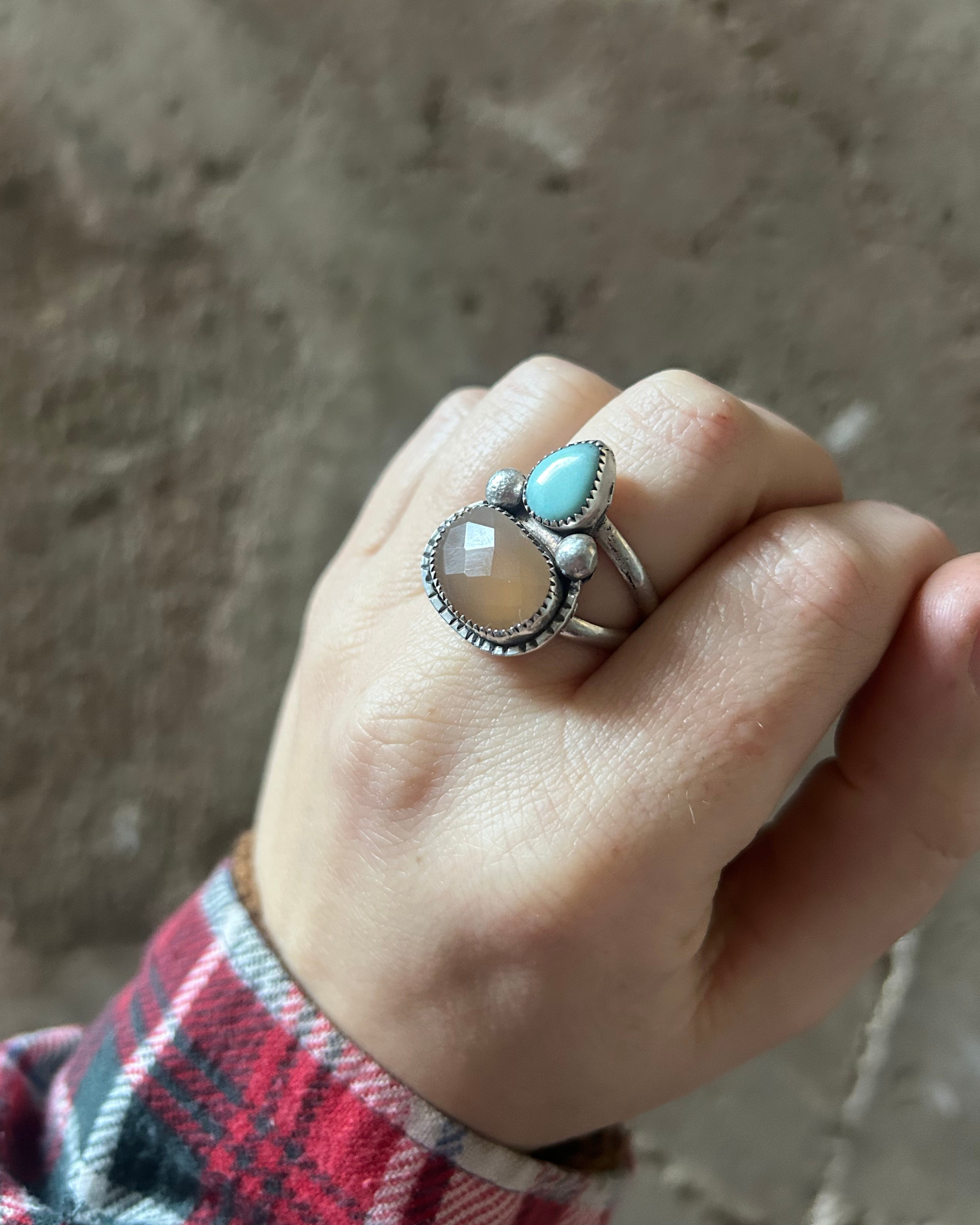
Each Foundry commission is fabricated entirely by hand.
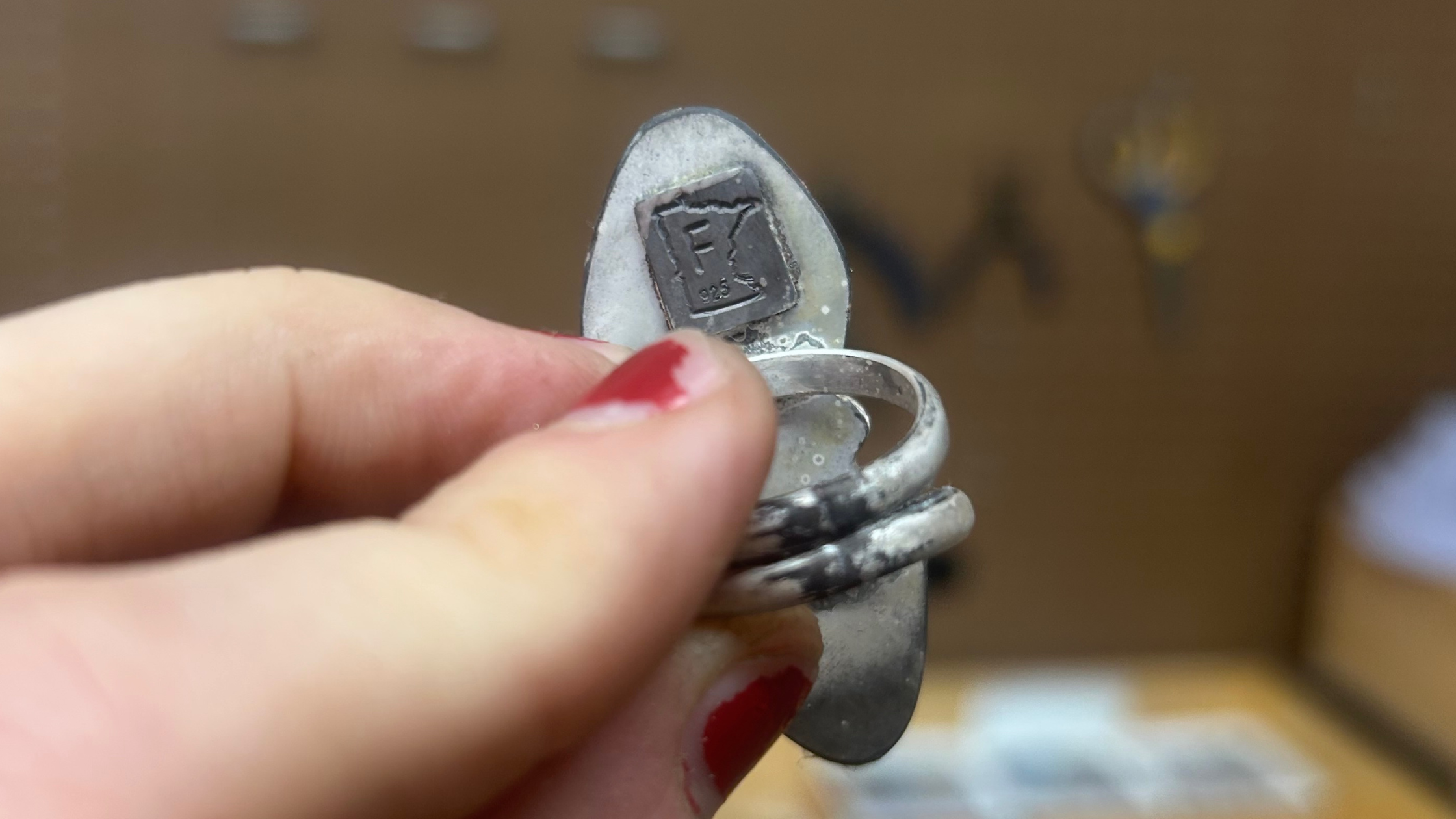
Metal is cut, formed, soldered, set, and finished in stages, often revisited multiple times before completion. Makers’ marks may be left visible, depending on the piece, as a quiet record of process.
When finished, the piece is cleaned, inspected, and prepared for delivery or shipment.
Each commission exists as its own object, shaped by the materials and the person it’s made for.
Commissioning a piece is right for those who:
It’s less about control and more about trust—trust in materials, in craft, and in time.
If custom work feels aligned, the best place to begin is the Commission page, where details, timelines, and expectations are laid out clearly.
Even if you’re unsure, thoughtful questions are always welcome.


.png)
.png)